November 18, 2026
A lawn can look thirsty on one side of the yard while the other stays damp for days. The difference is not always sunlight or sprinkler coverage. Soil texture, compaction, and drainage determine how quickly water enters the ground and how long it remains available to grass roots. Understanding those conditions can make watering more effective without assuming every lawn needs the same schedule. Before changing an irrigation timer, it helps to know what is happening beneath the grass and whether the soil can absorb the water being applied.
Why Soil Texture Matters
Most lawns grow in soil containing a mixture of sand, silt, clay, and organic matter. The proportion of each affects how water moves. Sandy soil has larger particles and generally drains quickly. Clay has much smaller particles and can store considerable moisture, but water often enters it slowly. Loamy soil usually combines different particle sizes, although its exact behavior depends on structure and compaction. Soil can even vary across a single yard, especially where construction disturbed or replaced the original ground.
According to the EPA, nearly 20 percent of American homes have an automatic irrigation system, but not all are used efficiently. A controller may run exactly as programmed yet still waste water if the schedule ignores soil conditions, rainfall, or seasonal changes. Understanding the ground is the first step toward a more useful setting.
Sandy Soil Needs Careful Timing
Sand allows water to move through relatively quickly. That can be helpful during heavy rain, but it also means the root zone may dry sooner between watering sessions. If too much water is applied at once, some can move below the roots before the grass has a chance to use it. Increasing the runtime does not necessarily solve the problem.
On sandy lawns, shorter applications spaced according to actual dryness may work better than one excessive soaking. The goal is to wet the active root zone without sending extra water farther down. Check below the surface rather than judging by its color alone; pale or dry-looking sand near the top may conceal moisture several inches deeper. An irrigation professional can also check whether sprinkler heads apply water evenly, since one poorly covered area can appear to have a soil problem when the cause is distribution.
Clay Soil Absorbs Water More Slowly
Clay-rich ground can hold substantial moisture, but its small pores often slow infiltration. When sprinklers deliver water faster than the soil can take it in, puddles form and runoff may reach sidewalks or drains. This does not mean clay should always receive less water overall. The appropriate amount still depends on grass type, weather, root depth, and how much moisture is already stored.
A cycle-and-soak approach can help. Instead of running a zone continuously, divide its total watering time into shorter cycles with breaks that allow water to enter the soil. Adjust the total amount based on what the roots need, not on how much water the surface can hold temporarily. If footprints remain visible or the ground feels persistently soggy, investigate compaction and drainage before adding more irrigation. Waterlogged roots need oxygen as well as moisture, so keeping clay saturated can create new problems rather than fixing dry-looking turf.
Loamy Soil Still Requires Observation
Loam is often described as favorable for lawns because it can balance drainage with moisture retention. Yet the term does not guarantee consistent conditions. A loamy surface laid over compacted construction fill may behave differently from deep, undisturbed loam. Likewise, silt-rich soil can crust or compact, reducing the rate at which water enters. A lawn's slope, shade, and root development further complicate any simple label.
Use soil texture as a starting point, not a permanent watering rule. Observe how long puddles last after rain and whether dry areas repeatedly appear in the same locations. Check the soil several inches down in more than one part of the yard. If moisture levels differ widely, separate watering zones may make sense. Effective irrigation should respond to those differences instead of treating a sunny slope and a shaded low spot as though they receive and retain water identically.
Check Moisture Before Adjusting the Schedule
A screwdriver or soil probe can provide a quick indication of whether the ground is unusually hard or dry, although neither replaces a proper test. Digging a small sample gives a clearer view of moisture beneath the surface. For more detail, a soil test can identify texture, pH, and nutrient levels; it should not be mistaken for a direct measurement of how long sprinklers need to run. An infiltration test, performed correctly, can help evaluate how readily water enters the soil.
Look at the grass, too. Persistent footprints, folded blades, or a dull blue-green color may indicate water stress, but they can also occur alongside other problems. Inspect coverage and weather conditions before making changes. During a wet week, a fixed irrigation schedule may deliver water that the lawn does not need. During hot, windy periods, demand can rise. Testing and observing together are more dependable than automatically adding minutes whenever a patch turns brown.
Improve Soil Structure Without Overcorrecting
Compaction limits pore space, reduces root growth, and can create runoff even when the underlying texture is reasonably well balanced. In suitable conditions, core aeration can relieve compaction and improve the movement of air and water. Timing matters: lawns should be actively growing and the soil should not be excessively wet. Topdressing with suitable compost may also improve some soils over time, but large changes to established soil texture are difficult to achieve quickly.
Avoid adding sand to heavy clay as a universal fix; small amounts can worsen the mixture's physical behavior. Test pH before applying lime or sulfur, since acidity mainly affects nutrient availability rather than serving as a direct measure of water absorption. Healthy roots and appropriate grass varieties also support more resilient turf. These measures can help an irrigation system work with the ground rather than trying to compensate for unresolved soil problems through repeated watering.
Let Equipment Respond to Conditions
A standard timer follows a programmed schedule even when rain has already soaked the yard. Weather-based controllers and soil-moisture sensors offer more responsive options, adjusting or interrupting watering according to conditions. The EPA's WaterSense program identifies independently certified controllers designed to reduce unnecessary outdoor water use. These devices still need correct setup, suitable sensor placement, and periodic review; technology cannot fix leaking lines or misplaced sprinkler heads.
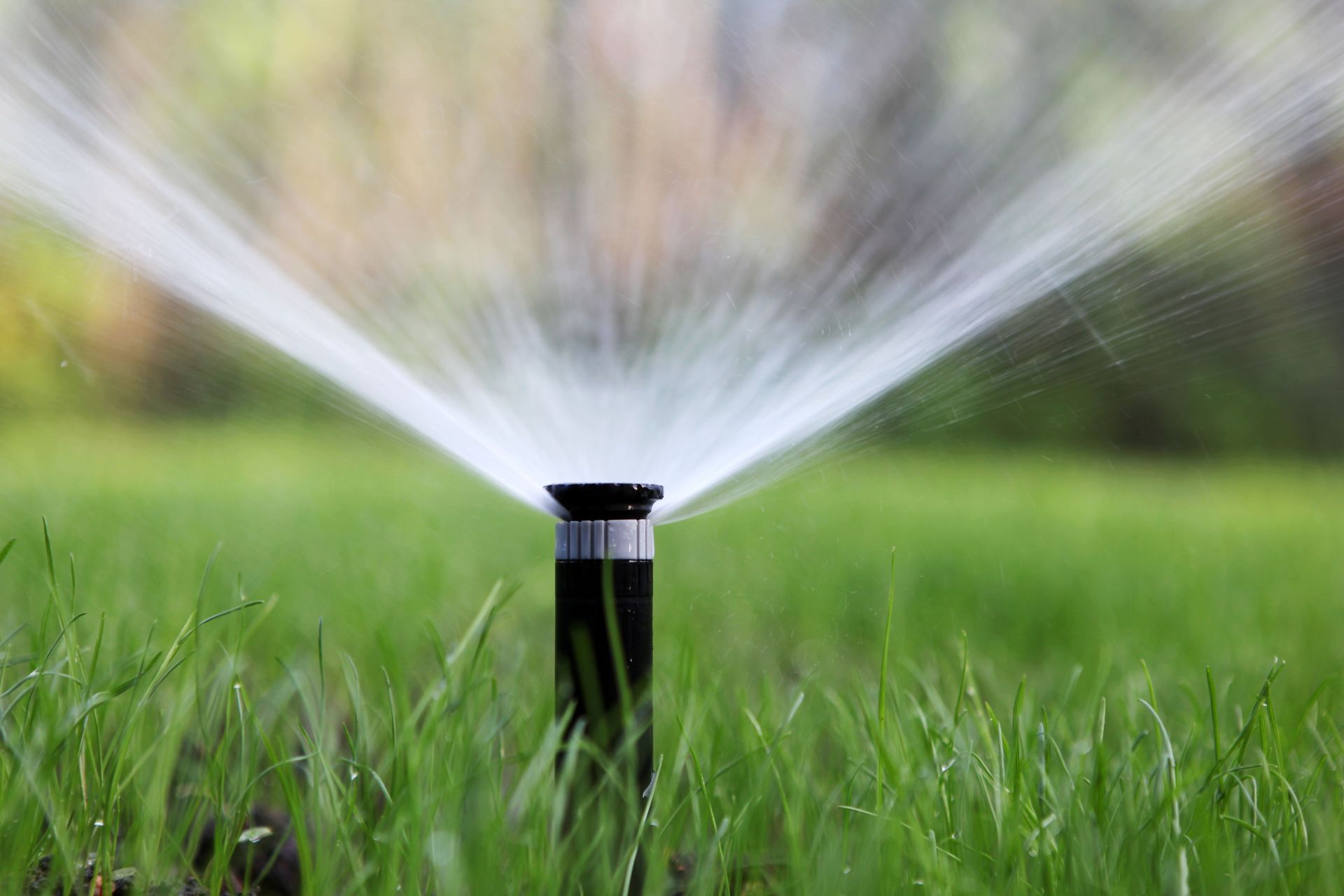
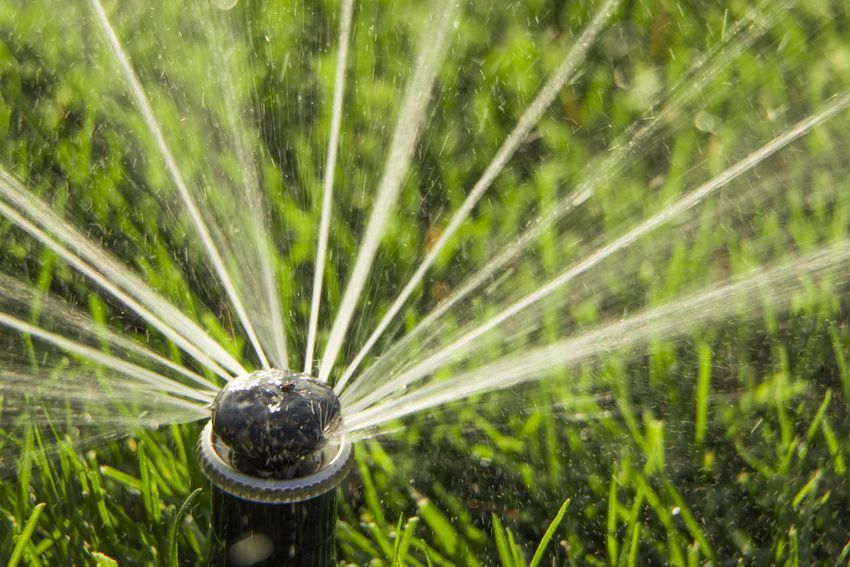
Inspect the system while it runs. Look for misting, blocked spray patterns, overspray onto pavement, and unusually wet or dry areas. Match each zone's schedule to its soil, sun exposure, and plant needs, and revisit the settings as seasons change. A professional system assessment can help determine whether the system distributes water evenly or requires repairs, nozzle changes, or updated controls. Small adjustments often matter more than simply watering longer.
Build a Schedule Around Your Lawn
The best watering plan starts with what the soil can absorb, how much moisture it retains, and what the grass actually needs. Sandy, clay-rich, and loamy lawns may call for different timing, but none benefits from watering by habit alone. Keep notes on weather and wet spots so adjustments reflect what happens over several weeks, not one afternoon. For help evaluating coverage, adjusting schedules, or improving
irrigation performance, contact The Sprinkler Man Inc. to discuss conditions in your yard and practical next steps.